
Most sizing mistakes come from two things: writing the numbers in the wrong order, and mixing up inside and outside measurements. Both are easy to avoid once you know the conventions.
The order: length × width × depth
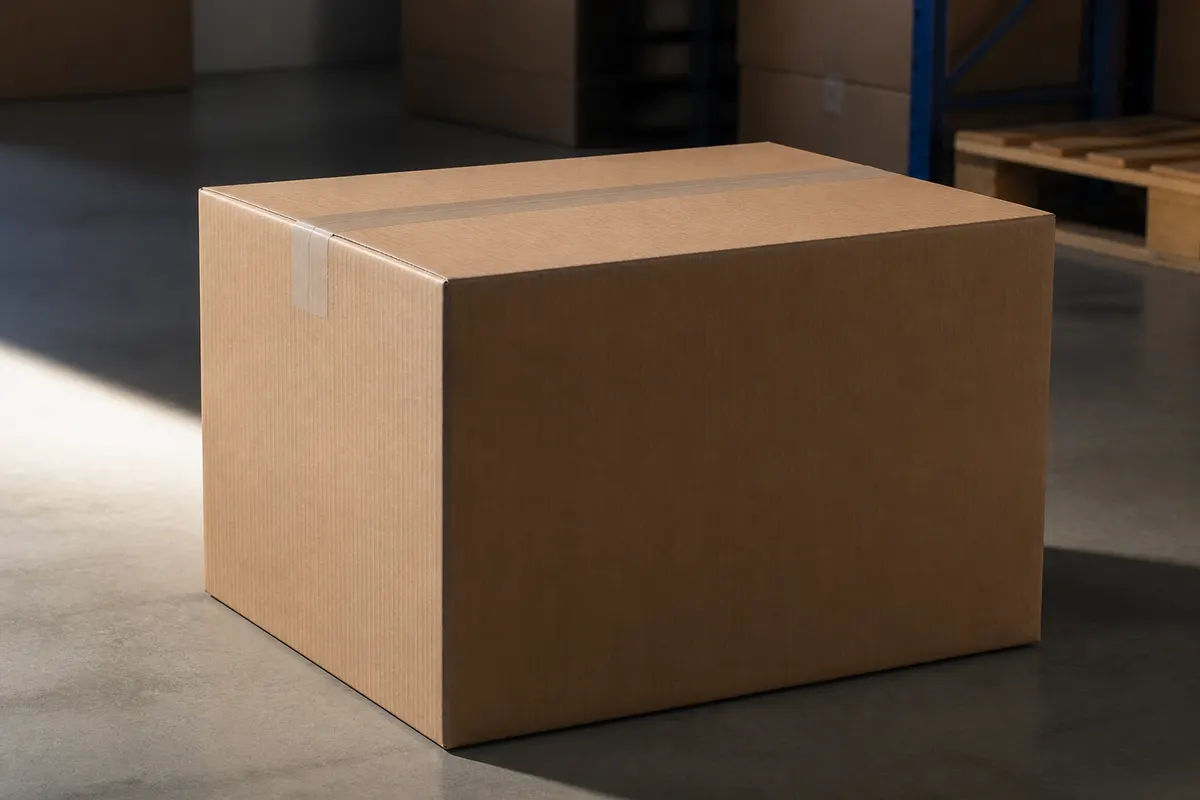
Box sizes are written as L × W × D. Look at the box from the side that opens. Length is the longer side of that opening, width is the shorter side, and depth is the distance from the opening to the opposite end. A 12 × 9 × 4 in mailer opens on a 12 × 9 in face and is 4 in deep.
Inside vs outside dimensions
Suppliers usually quote inside dimensions, the space available for the product. Outside dimensions add the board thickness on each wall, plus extra where flaps overlap. On thin folding board the difference is small; on corrugated board it can be several millimetres per side, which affects shipping rates, pallets and shelf space.
How to measure your product
- Measure the product at its widest points, including caps, handles and anything that sticks out.
- Decide which face the customer opens and measure that face first: the long side is length, the short side is width.
- Measure the remaining dimension as depth.
- Add clearance: a few millimetres per side for a snug carton, or the thickness of inserts and padding for a shipper.
- Round to sizes your supplier can make, and confirm whether they quote inside or outside dimensions.
Entering the size in a 3D template
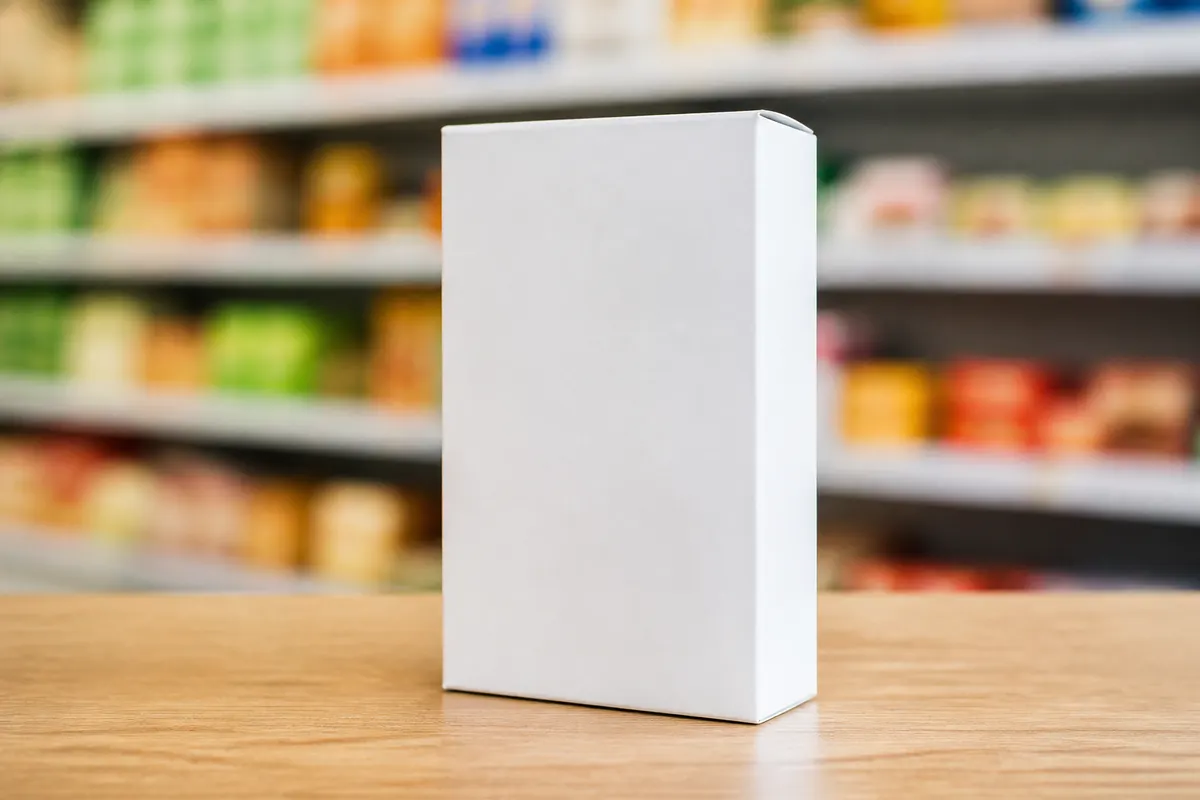
In the reverse tuck end box template the closures are at the top and bottom, so the opening is the width × depth face. Enter the opening's long side as width, its short side as depth, and the distance between the closures as height. The pizza box and split top box templates follow the same width × depth footprint with height as the wall.
The templates draw panels at the size you enter, without allowances for board thickness, so use your inside dimensions and let your printer adjust the final die for their board.
What order are box dimensions written in?
Length × Width × Depth (L × W × D). Length and width describe the opening, with length the longer side; depth is the distance from the opening to the bottom.
Are box dimensions inside or outside measurements?
Packaging suppliers usually quote inside dimensions, because that is the space your product needs. Outside dimensions are larger by roughly the board thickness on each side, which matters for shipping rates and shelf space.
How much clearance should I add around my product?
For a snug folding carton, a few millimetres per side is common. For shipping boxes with padding, add the thickness of the padding on every side. Test with a sample when the fit matters.
Which numbers do I enter in 3D Box Studio?
For a tuck end carton, enter the opening's long side as width, the opening's short side as depth, and the distance between the two closures as height.