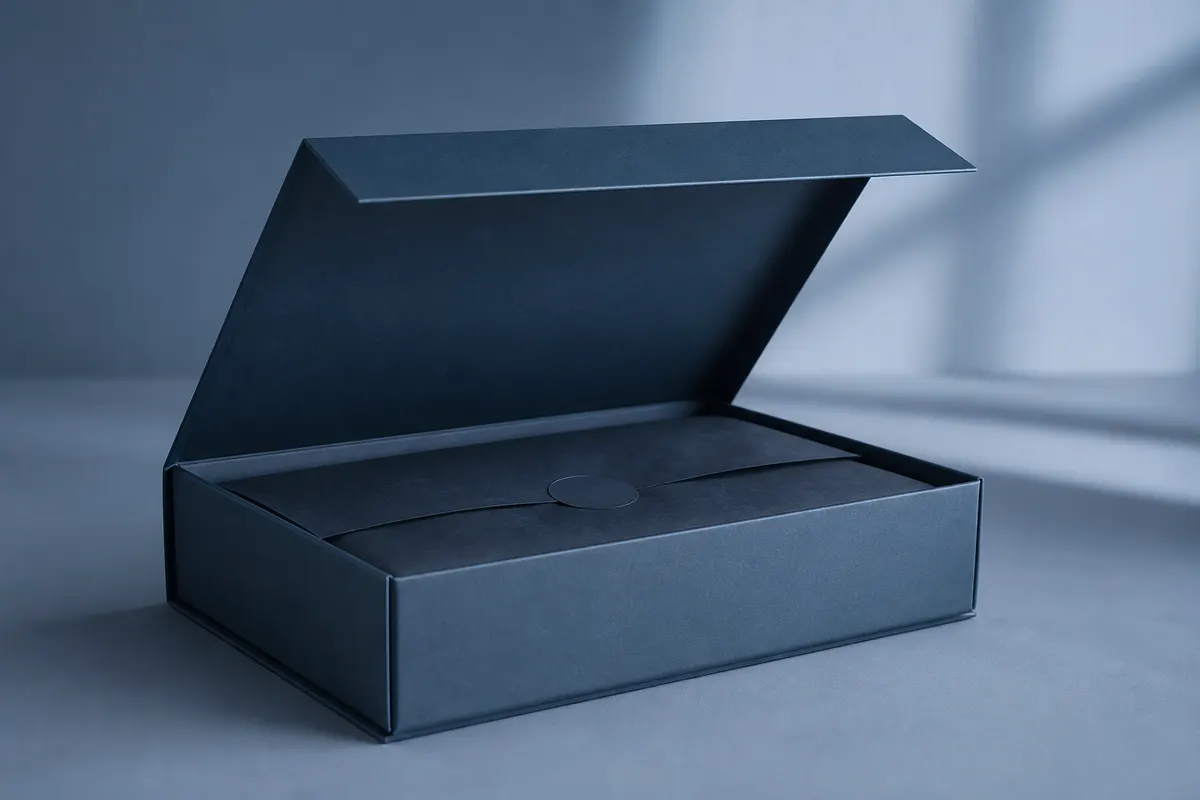
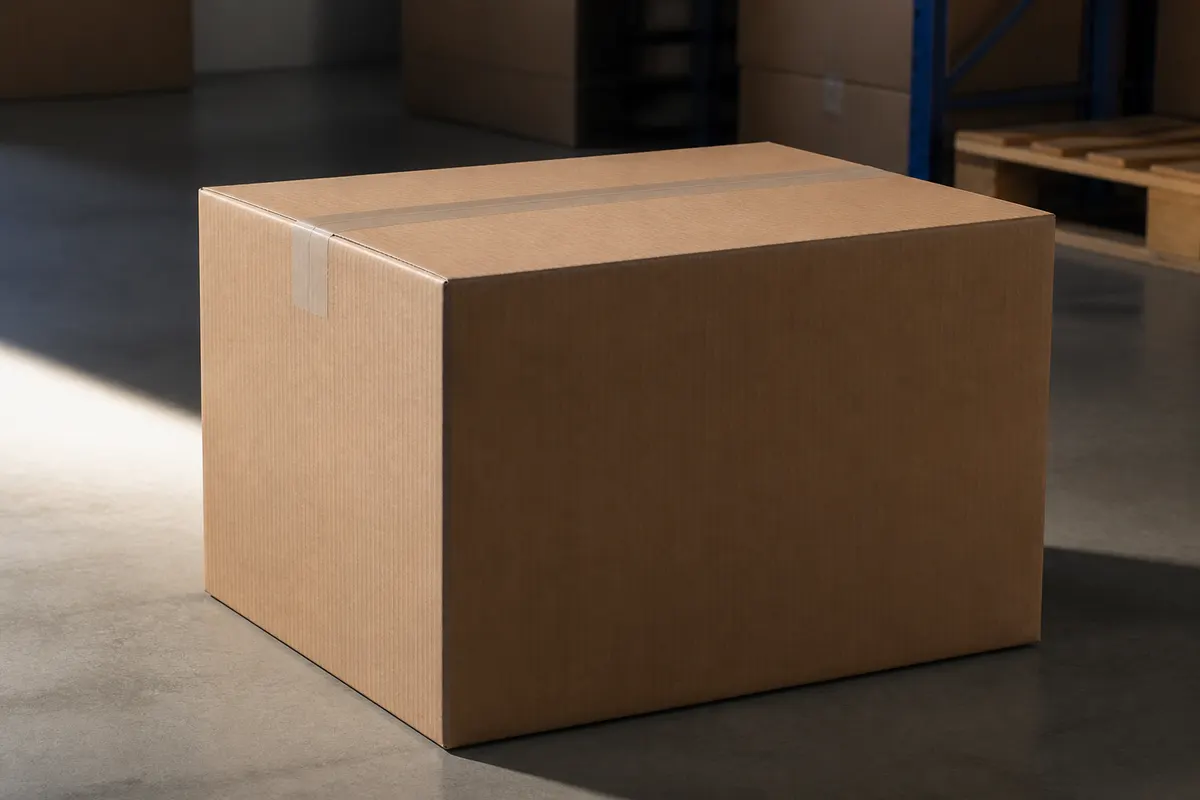
Choosing a box size starts with the product, not the box. Measure it, decide how much room it needs, then either pick the closest stock size for that kind of box or have a box made to measure. This guide walks through each kind of box and the sizes suppliers usually stock; they are common starting points, not specifications, so always confirm the exact inside dimensions with your supplier.
How to choose a box size
- Measure the product at its widest points, or the product with its inner packaging. How to measure a box explains the order of the sizes.
- Add room on every side: about 2–5 mm for a retail carton, about 20 mm (3/4 in) when shipping with bubble wrap or crinkle paper.
- Choose the kind of box for the job: a folding carton for the shelf, a mailer for e-commerce, a slotted carton for shipping.
- Compare the closest stock size with a custom size. The standard box sizes finder lists the stock boxes your product fits and the size made to measure; the box size calculator adds the board and suggests a style.
Retail folding cartons
Folding cartons are almost always sized to the product, so there are few true stock sizes. Typical proportions look like this (width × depth × height):
- Lip balm or small tube: around 25 × 25 × 80 mm.
- 50 ml perfume: around 55 × 55 × 120 mm.
- Supplement bottle: around 70 × 70 × 130 mm.
- Tea or dry food carton: around 120 × 55 × 180 mm.
- Bar soap: around 95 × 65 × 35 mm.
Each of these is a preset in the reverse tuck end box template, so you can see the dieline and fold it in 3D at that size.
Pizza boxes
Pizza boxes are named after the pizza they hold. The base is roughly the pizza diameter in each direction, and walls are usually 1.5 to 2 inches high:
- 10 inch: about 10 × 10 × 1.75 in.
- 12 inch: about 12 × 12 × 1.75 in.
- 14 inch: about 14 × 14 × 1.75 in.
- 16 inch: about 16 × 16 × 2 in.
All four are presets in the pizza box template.
Small, medium and large box dimensions
When people say a small, medium or large box, they usually mean the stock corrugated boxes sold for moving and shipping. Sizes vary by supplier, but these are typical (length × width × depth):
- Small box: about 16 × 12 × 12 in (41 × 30 × 30 cm).
- Medium box: about 18 × 18 × 16 in (46 × 46 × 41 cm).
- Large box: about 18 × 18 × 24 in (46 × 46 × 61 cm).
- Extra large box: about 24 × 18 × 24 in (61 × 46 × 61 cm).
Box sizes are written length × width × depth, and suppliers usually quote the inside. How to measure a box explains the order and how much clearance to add.
Mailer box dimensions
Mailer boxes are flat, folded corrugated boxes for e-commerce, apparel and subscriptions. Common sizes:
- 6 × 4 × 2 in (15 × 10 × 5 cm): jewellery, cosmetics samples.
- 9 × 6 × 2 in (23 × 15 × 5 cm): small accessories, books.
- 10 × 8 × 4 in (25 × 20 × 10 cm): candles, small gift sets.
- 12 × 9 × 4 in (30 × 23 × 10 cm): apparel, subscription boxes.
- 14 × 10 × 4 in (36 × 25 × 10 cm): folded clothing, larger kits.
Try any of these in the mailer box template: type the size and the dieline and 3D box update.
Shipping box sizes
Corrugated suppliers stock many sizes. Cubes such as 6 × 6 × 6, 8 × 8 × 8, 10 × 10 × 10 and 12 × 12 × 12 inches (15, 20, 25 and 30 cm) are widely available. If you ship through a carrier box program, use that carrier's published dimensions.
Standard box sizes in cm for international shipping
Outside North America, cartons are usually sized in millimetres to fit pallets with no overhang. On a 1200 × 800 mm Euro pallet, footprints that divide it evenly are common:
- 600 × 400 mm: two per layer on a Euro pallet.
- 400 × 300 mm: eight per layer.
- 300 × 200 mm: sixteen per layer.
- Heights such as 100, 150, 200, 300 and 400 mm, chosen for the product.
These footprints are outside sizes. Subtract the board thickness on each wall, about 3 to 5 mm per side for single-wall corrugated, to get the space inside. The shipping box template takes sizes in millimetres or inches.
Stock size or custom size?
A stock box is quicker and cheaper for small runs. A custom size removes empty space, reduces filler and dimensional-weight shipping costs, and often looks better on a shelf. The quickest way to decide is to measure your product, then compare the stock and custom sizes side by side in 3D.
Is there an official standard box size?
No single standard covers all packaging. Suppliers stock common sizes, carriers publish their own box programs, and most retail cartons are sized to the product.
What are small, medium and large box dimensions?
As a rule of thumb for stock moving and shipping boxes: small is about 16 × 12 × 12 in (41 × 30 × 30 cm), medium about 18 × 18 × 16 in (46 × 46 × 41 cm) and large about 18 × 18 × 24 in (46 × 46 × 61 cm). Each supplier's sizes differ slightly.
What are standard box sizes in cm?
Metric cartons are often sized to divide a 1200 × 800 mm Euro pallet or a 1200 × 1000 mm pallet, so 600 × 400, 400 × 300 and 300 × 200 mm footprints are common, with heights chosen to suit the product.
What size is a 12 inch pizza box?
About 12 × 12 inches on the base with walls around 1.5 to 2 inches high. Suppliers often add a little clearance, so check their inside dimensions.
Should I use a stock size or a custom size?
Stock sizes are cheaper in small runs and ship faster. A custom size reduces empty space, filler and shipping cost, and usually looks more premium. Preview both in 3D before deciding.